Key takeaway: A paint manufacturer that sold through dealers for almost 40 years switched on its own retail channel without rebuilding — and in two years grew retail revenue 8x, with organic search driving four sales in five from one visitor in five.
Dnipro-Contact has made paints and coatings in Ukraine for almost 40 years. Dealers and hardware chains sold the product for most of that time. Builders knew the name. People painting their own kitchen did not.
When we started, the brief was a website: a catalog so partners could browse the range. No prices, no checkout. Two years later that site and the marketplaces around it bring in 8 times the retail revenue of the previous season, month after month. Organic search sends one visitor in five and drives four sales in five.
Below is the path in the order it happened, including the part that broke.
Project snapshot
- Client: Dnipro-Contact, paint and coatings manufacturer, Ukraine
- Brand age: ~40 years
- Starting point: Dealer catalog on OkayCMS, payments switched off
- Sales channels now: Own online store, Rozetka, Epicentr
- Our scope: Ecommerce, SEO, paid search, social media, AI visuals and video, chatbot, marketplace feeds
- Result: 8x retail revenue vs. the previous season, sustained month over month
- Organic search: ~1/5 of traffic, ~4/5 of revenue
Starting point: a website built for dealers
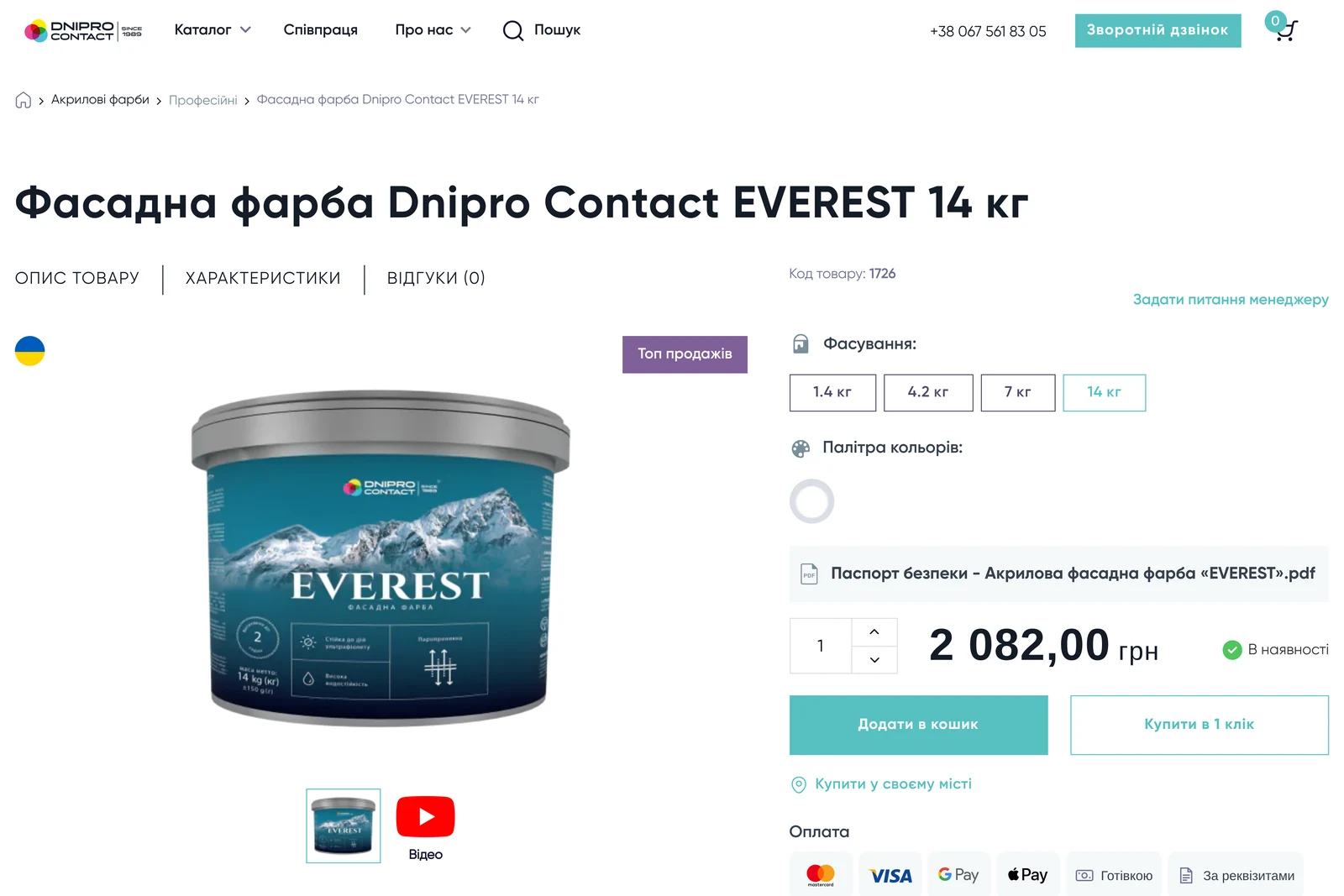
We built the first site on OkayCMS, an ecommerce engine, and switched every payment method off. The site had one job: show partners the range. Product pages didn’t list prices.
That setup suits a B2B manufacturer. It also leaves every sale and every customer conversation in a dealer's hands. You don't control the shelf, the price, or what the seller tells the buyer.
The decision to sell direct
The owners asked a simple question: what if we sold some of this ourselves? Own retail gives a manufacturer two things dealers can't. Control over how the brand looks and speaks. And first-hand data on who buys what.
We launched on Rozetka, Ukraine's largest marketplace, and turned the catalog into a store. Customers paid on delivery or by bank transfer. Card payments came later.
Year one: SEO basics and the first sales
The first year was modest. Each product got a page with a description, a price, a buy button and a structure search engines could read. Nothing more.
Retail revenue across the site and Rozetka stayed small. It paid for the brand investment and proved the point that mattered: people will buy paint from the manufacturer online.
Year two: SEO, paid search, and a site that sells
In year two the team kept investing in SEO and added active Google Ads. After the second paid round the data showed where the site lost buyers, and we rebuilt those parts:
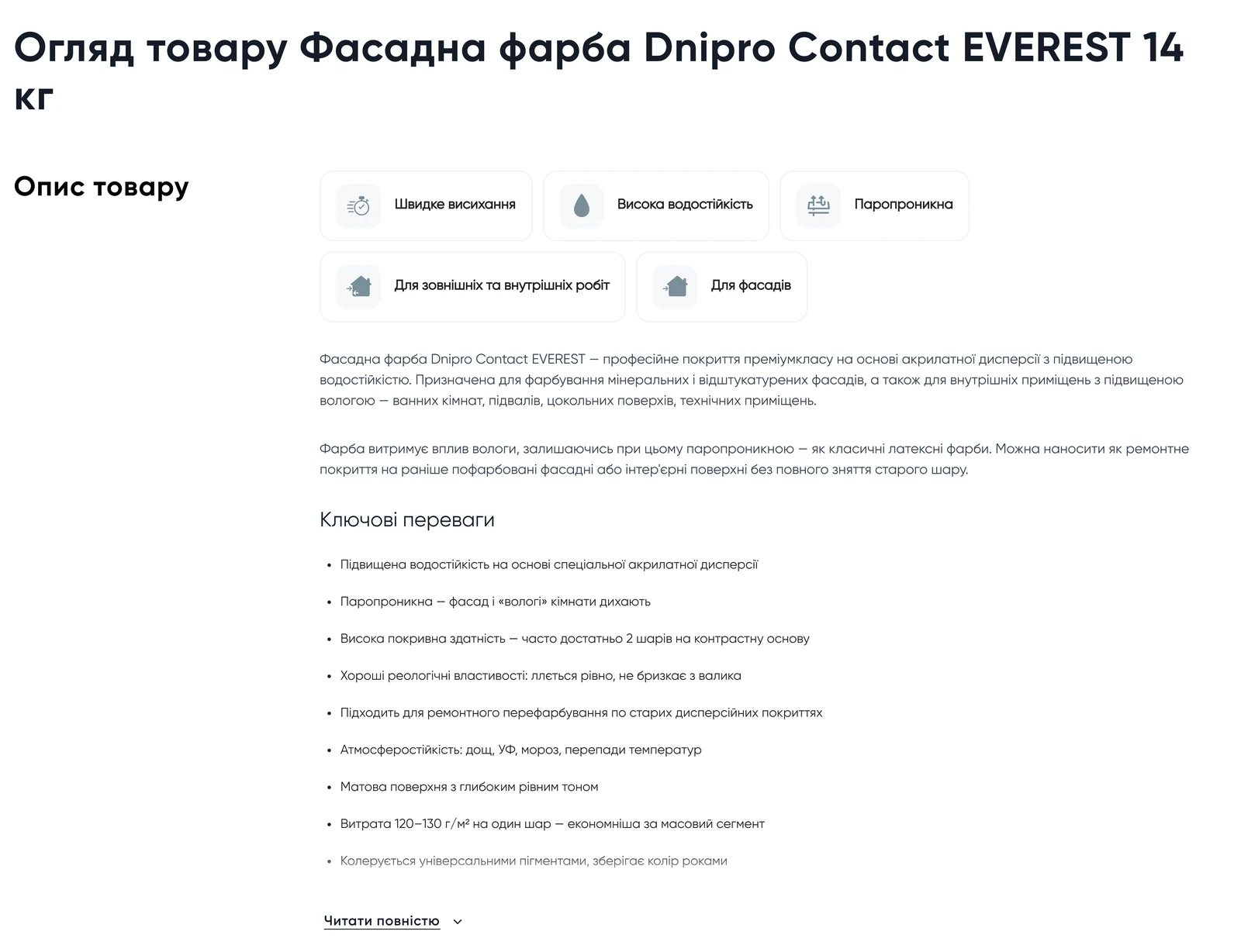
- Fuller product descriptions. Paint buyers ask the same questions: which surface, how many coats, how long to dry. The answers now sit on the page.
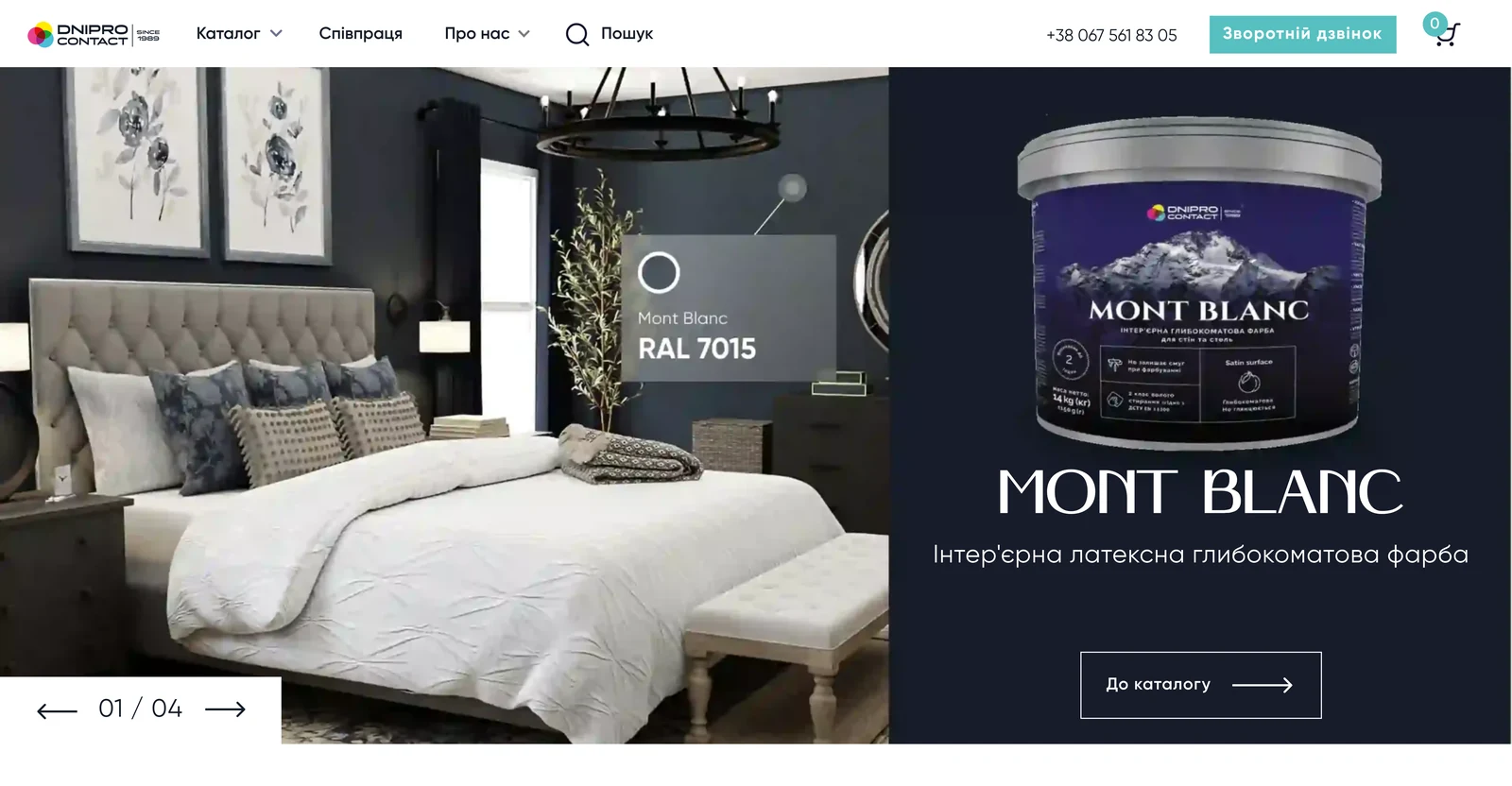
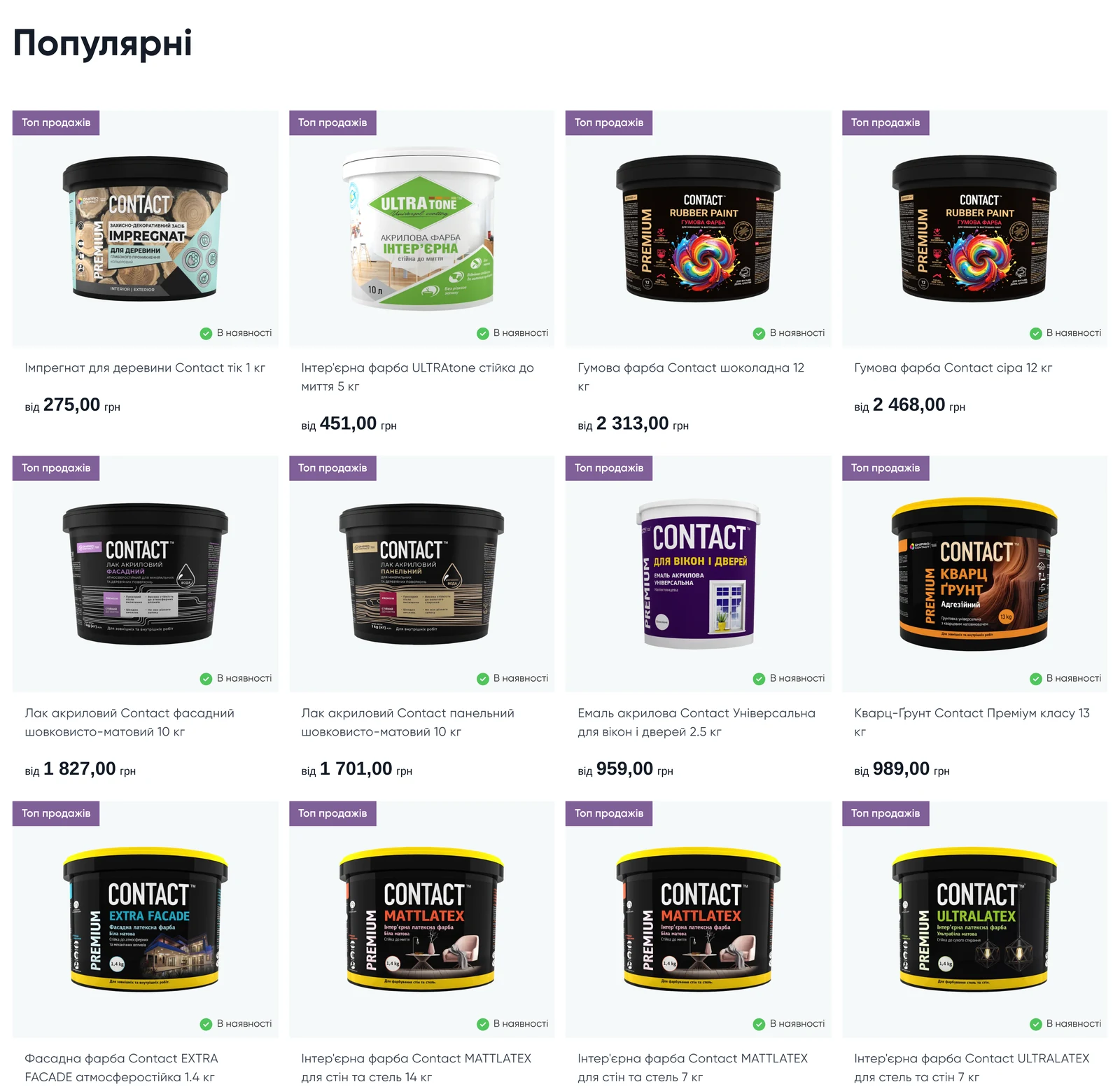
- A priority block on the homepage. Visitors see it as bestsellers. We fill it with the products the business wants to sell first: high-volume items and high-margin ones.
- New arrivals for returning visitors.
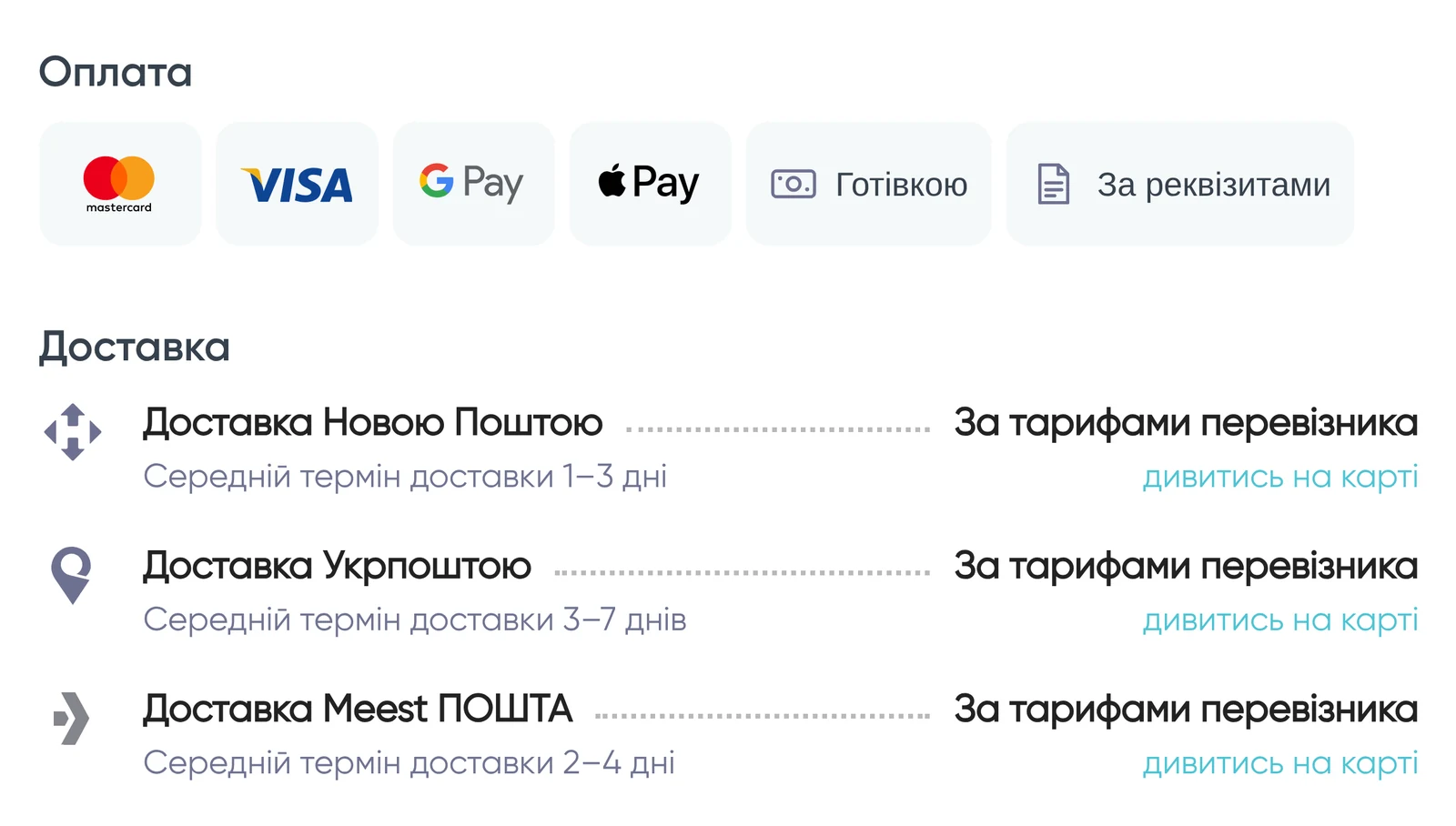
- Card payments. This year we integrated WayForPay with Visa, Mastercard, Apple Pay and Google Pay. The code took a short time. The paperwork took the rest.
Marketplaces: one catalog, many rule sets
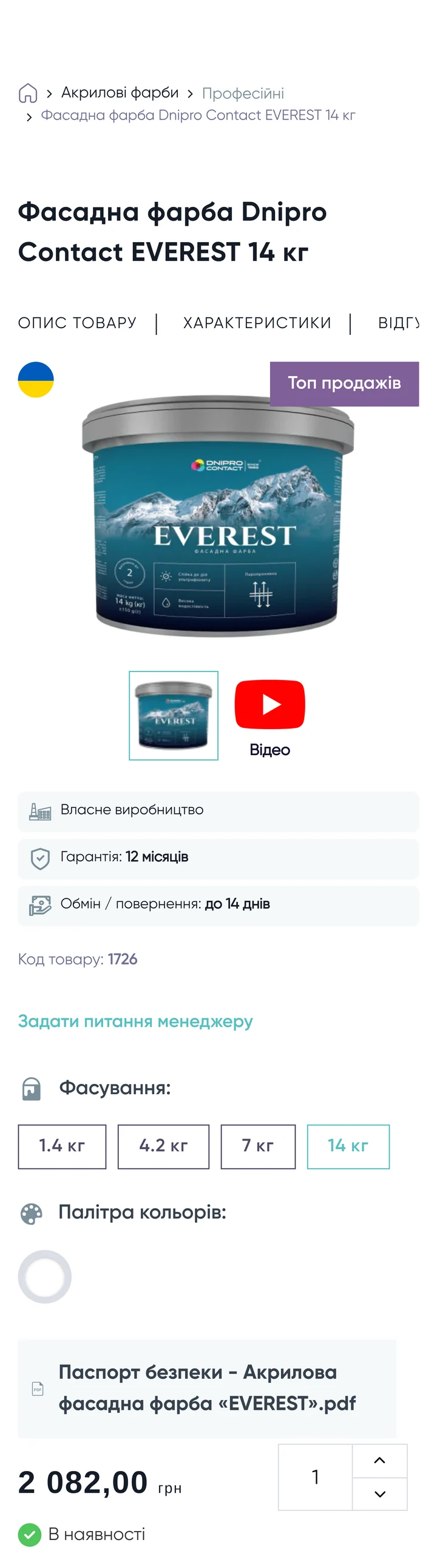
Every marketplace has its own feed format, required attributes and naming rules. A feed that passes on one platform fails on the next. We rebuilt the product feeds for each platform and kept marketplace-only attributes hidden on the main site, so shoppers there see a clean product card.
A brand that talks
This spring we started building the brand on social media. For a company that spent 40 years on store shelves, the shift is large. You used to meet this paint in a hardware aisle. Now it shows up in your feed with ideas for your kitchen wall.
Most of our content is AI-generated, which lets a small team publish like a large one:
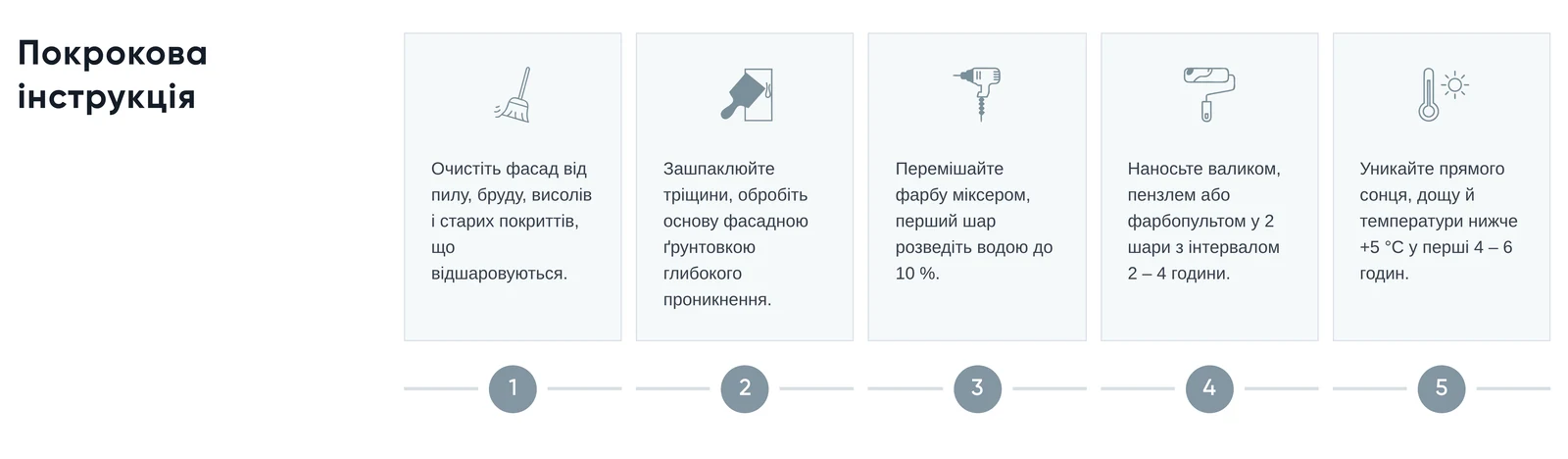
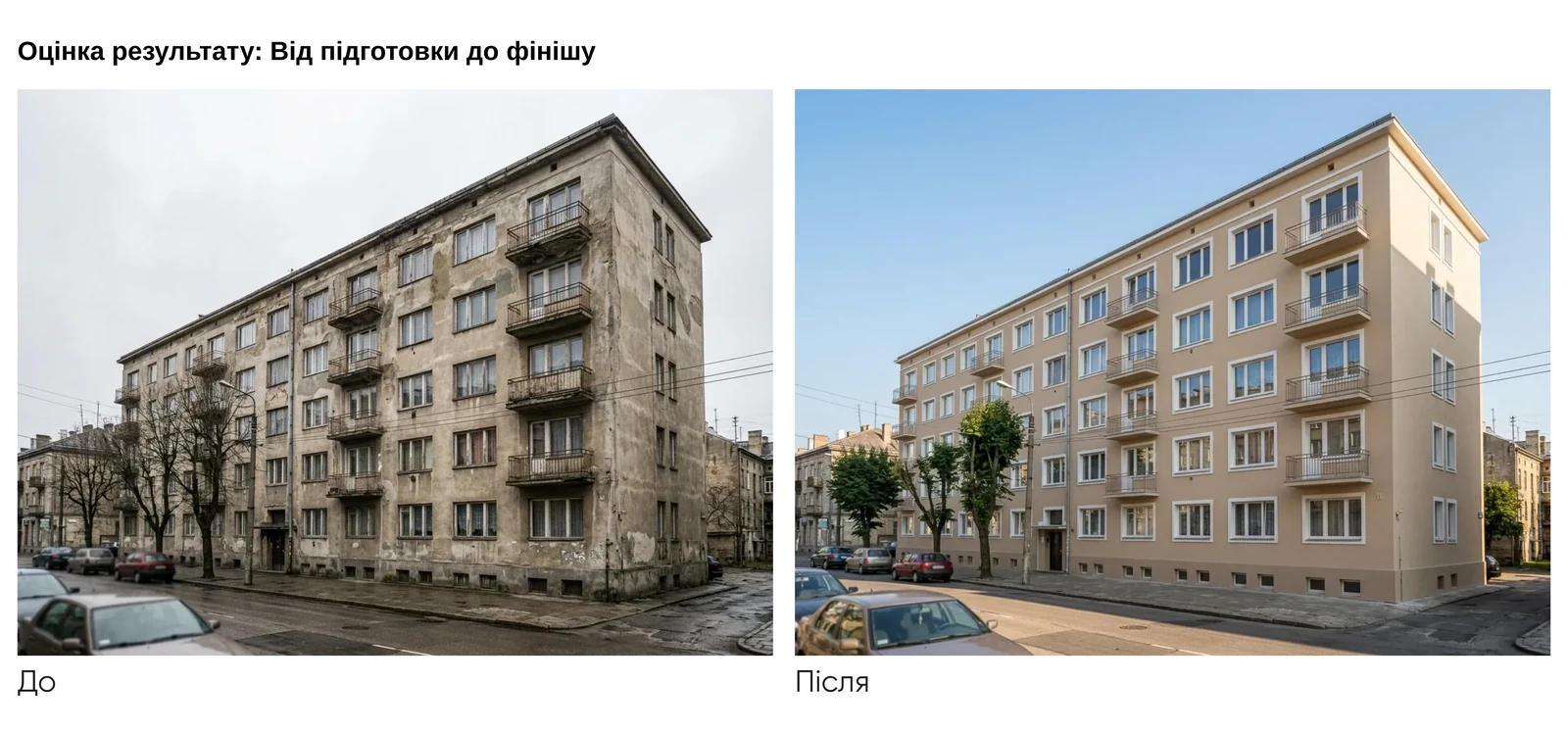
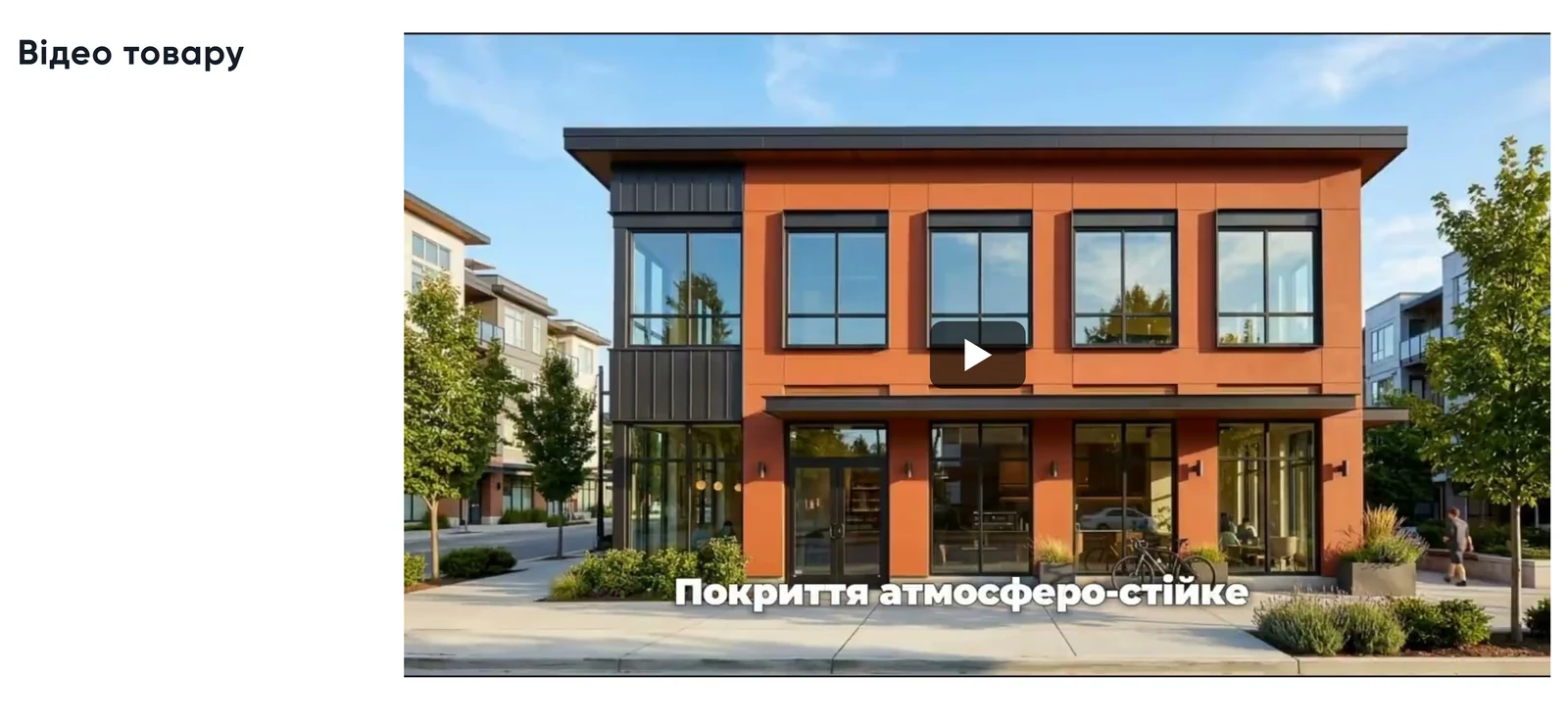
- Before/after visualizations for every paint. Each product page shows a surface before and after the coating, built with AI image models. A photo shoot for every product, color and surface would have cost more than the retail channel earned in its first year.
- Palette reels. Color-palette reels beat our other formats. One reel, "Three shades of 2026", brought 279 new followers for $24.90 in promotion, about $0.09 per follower.
- An AI character. In October 2026 we released the first video with an AI persona for the brand. We can place the character in any scenario we write, with no casting and no shoot.
- A publishing pipeline. Videos shot on a phone go from Google Drive into Metricool, get captions drawn from the product pages, and land on Instagram, TikTok and YouTube on schedule.
We also started working with ambassadors: an interior designer and a handyman who renovates his own house on camera. He does it with humor, and his audience, mostly women, follows him to us.
Have a strong product and a website that doesn't sell?
We take manufacturers from a dealer-only catalog to a store that sells — ecommerce, SEO, AI content, and marketplaces under one senior team. A full team, for a fraction of what an in-house one costs.
A chatbot that hands warm leads to sales
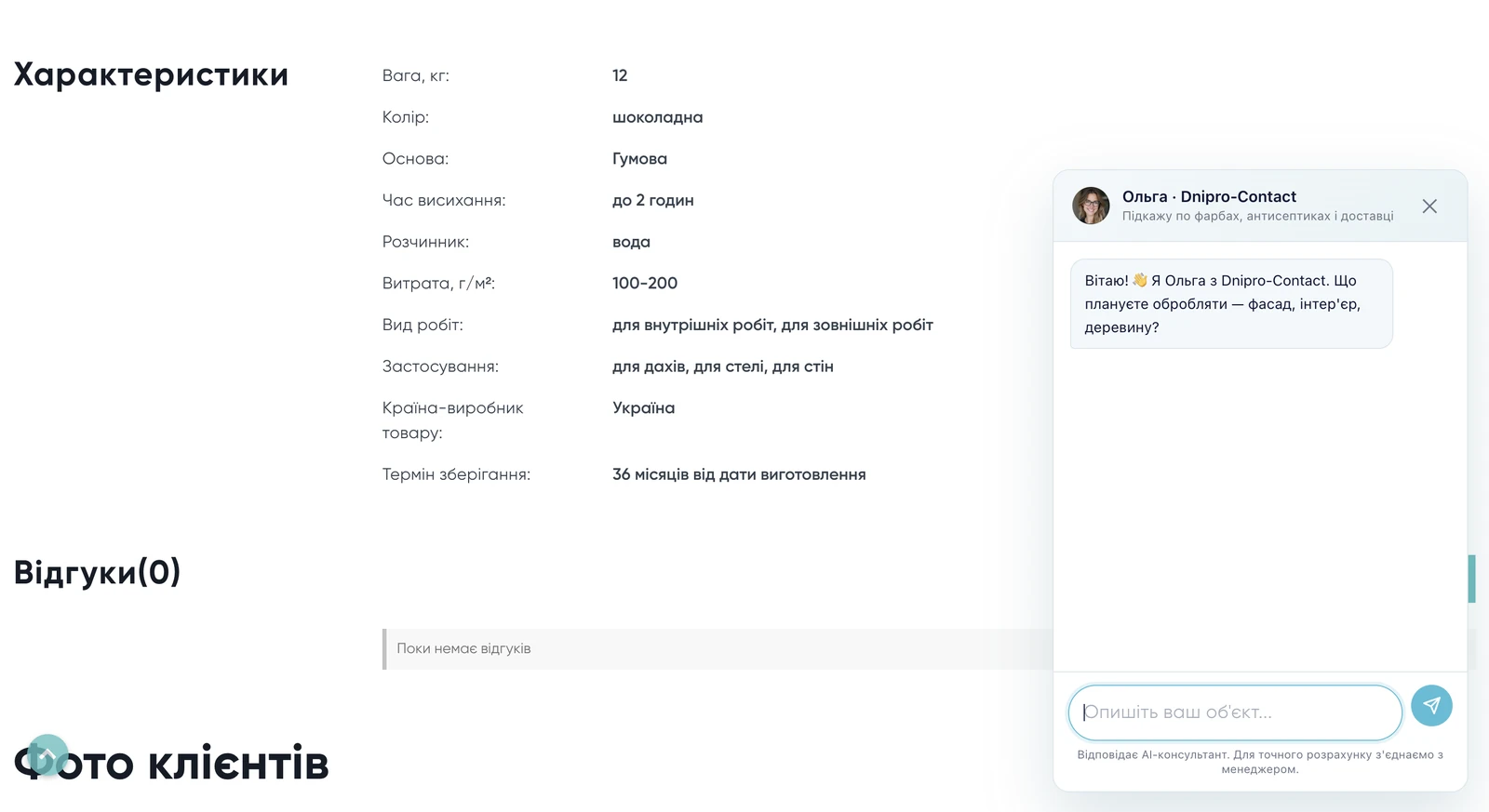
We trained a custom chatbot on the full range, the company's processes, and what the company does and doesn't do. It answers questions, links to the right products and tells you which paint fits which surface.
The first version ran on an OpenAI model and had a security hole. Attackers stole the API keys several times and drained the balance within two days each time. We moved the bot to Gemini and locked the keys down. Today it costs about $2 a year to run.
- ~600 conversations handled
- ~90% of answers accurate in our review
- the sales manager gets a message only when a customer is warm and ready to order
The manager no longer spends hours on small questions. He talks to people who want to buy.
Site updates without a developer queue
Our art director is a designer, not a developer. We connected Claude to the site's GitHub repository. He describes a change by voice, adds an example or a screenshot of an interface he likes, and Claude prepares the code as a pull request for the development team to review. Small interface changes no longer wait for a developer's free hour.
Results
- 8x retail revenue compared to the previous season, sustained month over month across the site and marketplaces.
- The own site converts best of all channels.
- Organic search brings ~1/5 of visits and ~4/5 of revenue.
- A brand that had no consumer voice now runs active social media, ambassador collaborations and an AI character.
- A sales manager who handles buyers instead of routine questions.
Paint is seasonal, with demand peaking from May to September. The 8x figure holds across that season, month by month.
What another manufacturer can take from this
- Build a site that can sell before you sell. A catalog on an ecommerce engine let us switch on retail without a rebuild.
- Treat SEO as the foundation. Paid search buys visits. Here organic search brings 4/5 of revenue from 1/5 of traffic, and it grows every year you invest.
- Own one shelf. Marketplaces add reach. Your own site keeps the margin, the customer data and the best conversion.
- Use AI where a camera would cost you the margin. Before/after visuals for hundreds of products, a character who needs no shoot, captions written from your own specs.
- Automate the first conversation. A trained chatbot filters questions and hands your sales team buyers.
Before you ask
Here the first year proved that people buy online. The jump came in year two, once SEO, paid search and the site updates worked together. Plan for 12 to 24 months.
Marketplaces bring reach and trust. In this case the own site converts best and keeps the customer data, which marketplaces hold back.
For showing results on hundreds of products and for social content at volume, yes. We review every visual before it goes live and show what the product can do, nothing more.
Ours runs on Gemini for about $2 a year. Setup and training on your catalog take most of the effort. Protect your API keys from day one: our first version lost money to stolen keys.
Manufacturers with a strong product and solid production capacity whose website doesn't sell. We work with companies in Europe, the US and Canada.
Related reading
Planning your own store? See e-commerce for manufacturers. For the branding side of a manufacturer launch, see the Dnipro-Contact digital brand launch. For the photography method behind the product pages, read AI product photography for manufacturers. And for the social playbook, social media marketing for manufacturers is the companion piece. For a premium parts brand rebuilt around its price point, read the OCParts case study.
Ready to make your site the channel that sells?
If your factory has a strong product but your website doesn't sell, we'll map the path from catalog to retail — ecommerce, SEO, AI content, and marketplaces. One senior team, for a fraction of an in-house team's cost.