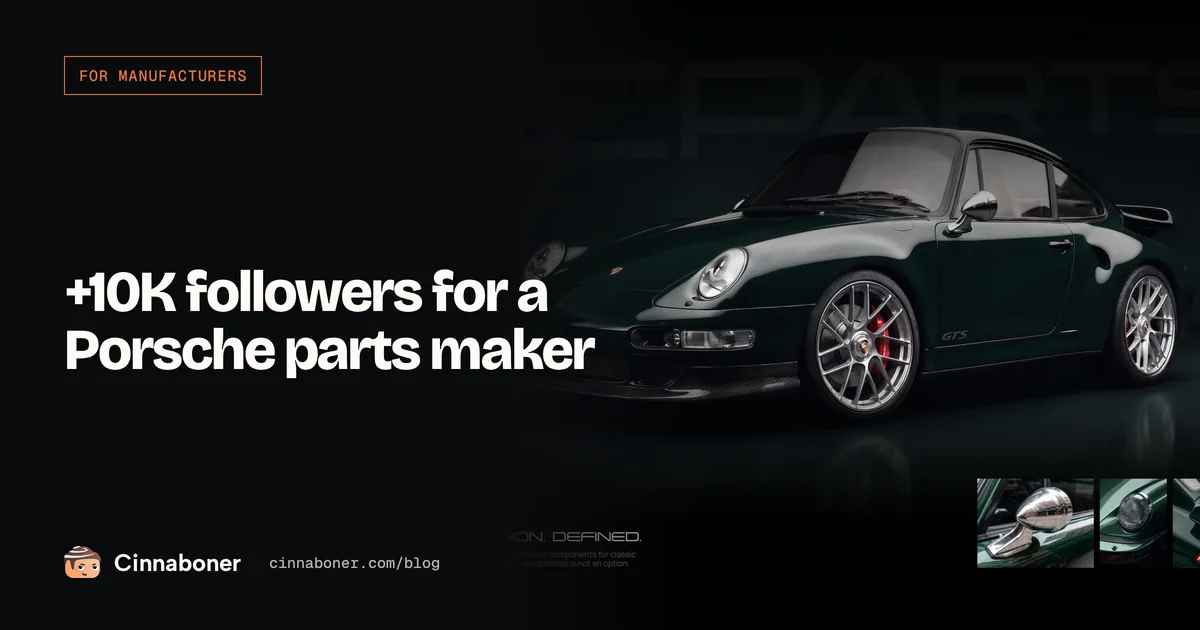
Key takeaway: For automotive parts, an AI image is only useful if it shows the right part on the right car. We got there with a reference library, model testing per part, a hard 9 out of 10 bar that discards more than 90% of generations, and the client's engineers as the final check.
Most AI product imagery is judged by one question: does it look good? For automotive parts, that is the wrong question. A Porsche owner, a restorer or an engineer will look at an image and ask something else. Is that the right part, on the right car, in the right place?
This is how we built an AI visualization process for OCParts, a maker of parts for classic Porsche models, and why we throw away more than 90% of what the AI produces.
The starting point: real photos, but not every car and every setting
OCParts makes premium parts for Porsche. Its imagery is a blend of shop and professional product photos and real client cars. What real shoots can't do at a sensible cost is show every part on every compatible car, in every setting. On-site shoots with exotic cars are expensive and slow.
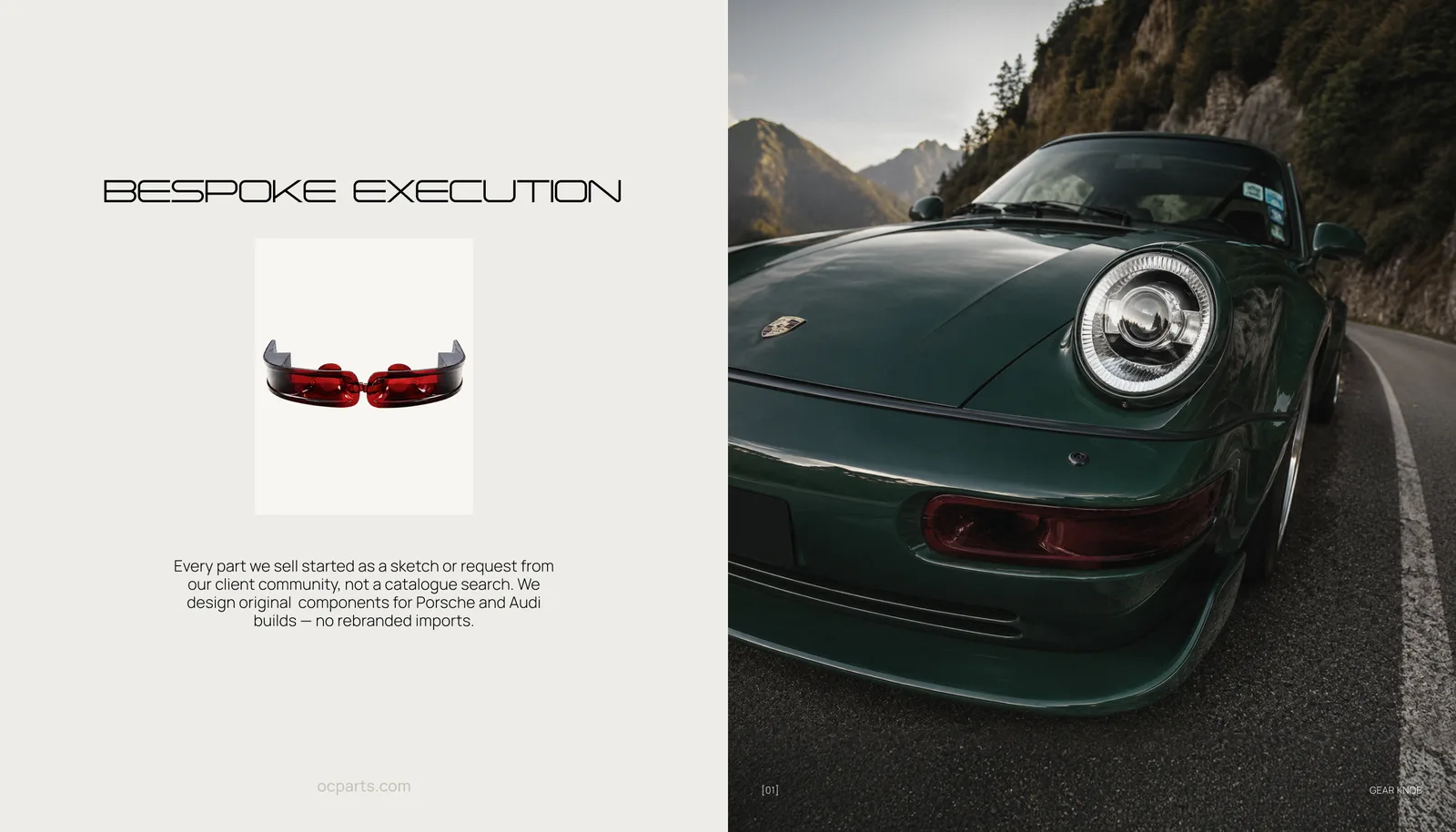
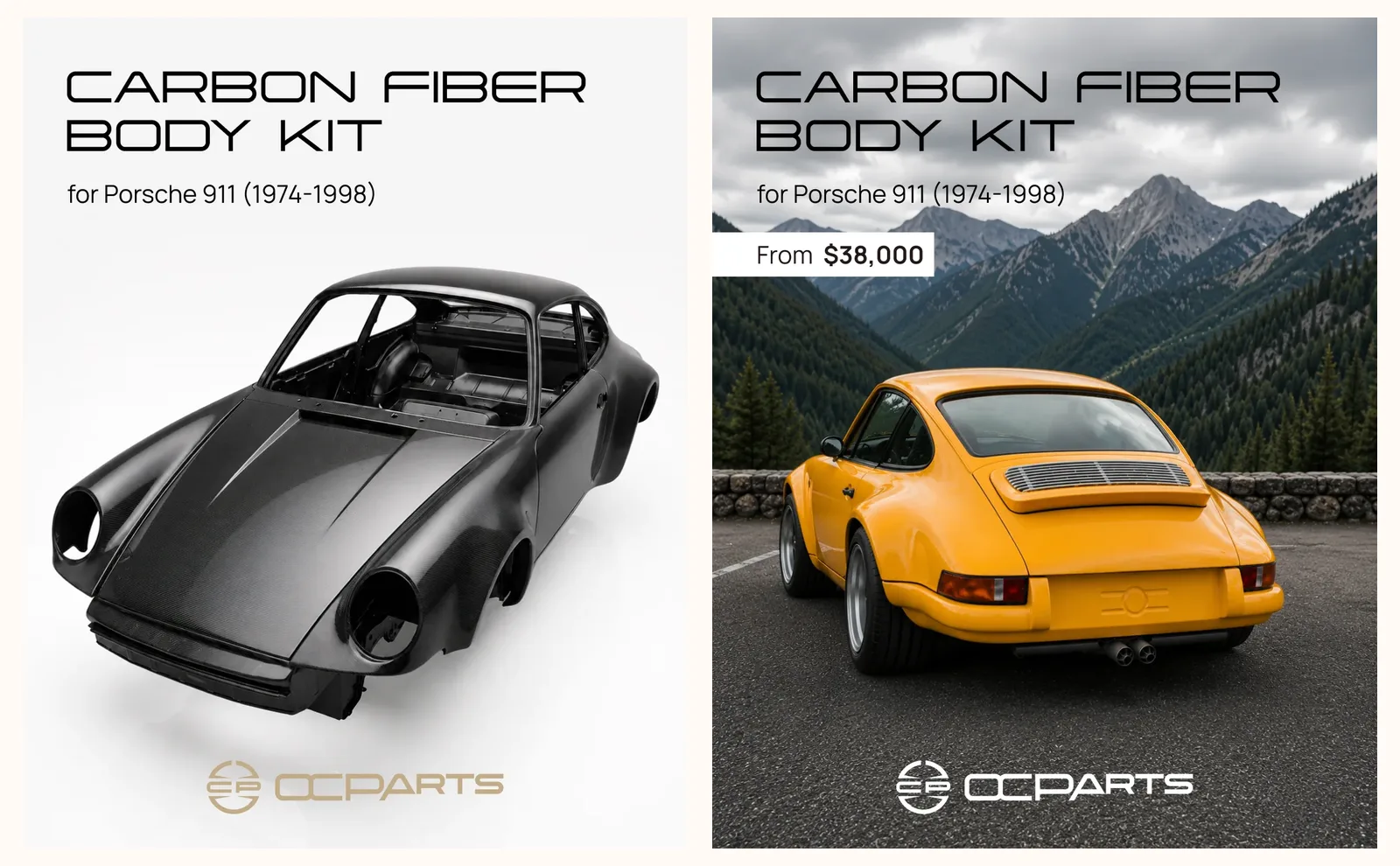
So we added AI visualizations that place OCParts' real products in different environments, with one condition. The images had to survive the scrutiny of people who know these cars down to the millimeter.
Why looking good is not enough in this niche
General-purpose image models are very good at producing something that looks like a Porsche part on a Porsche. They are much worse at producing this part on this car. The errors we saw most often:
- Shape and geometry. Edges, curves, mounting points and proportions drift from the real part.
- Fitment. A part shown on a model it does not fit.
- Model details. Classic 911s differ in ways a casual viewer misses and an enthusiast never does. Long-hood and short-hood cars need different front indicators, so every scene had to match the correct generation and the parts actually in stock.
In a mass-market category these slips might go unnoticed. In the classic Porsche world they cost credibility instantly. The client noticed them. His engineers, the most meticulous reviewers we have worked with, noticed even more.
Our process
1. Build a reference library before generating anything
Accuracy starts with input, not prompts. For every part we collected photos of the real part from several angles and reference photos of the cars it fits, matched to the correct model and generation.
2. Test models, not just prompts
No single model won everywhere. We tested Nano Banana Pro, Nano Banana 2, GPT image generation, Recraft and anything else that could hold geometry. Different models handled different parts and scenes better, so the choice of model became part of the brief for each image.
3. A hard quality bar: 9 out of 10 or it doesn't ship
The client only sees visualizations we would score at least 9 out of 10 for accuracy. Everything else is discarded before it reaches him. In practice, more than 90% of generations never leave our side. That number sounds wasteful. It is the reason the remaining images can be trusted.
4. Expert review and fast fixes
Once a visualization passes our bar, it goes to the client and his engineers. If they spot an inaccuracy, we redo it right away. Their feedback also sharpened our own checks, so fewer errors reached them over time.
Need product visuals your engineers would sign off on?
We build AI visualization pipelines for manufacturers, with real references, a strict quality bar and your experts in the loop.
What AI visualizations gave the brand
- Any car. A part can be shown on any compatible Porsche, not just the one available on the day.
- Any setting. City streets, nature, an open road or a clean studio background, all without logistics.
- A consistent premium look across the catalog, social media and the new website.
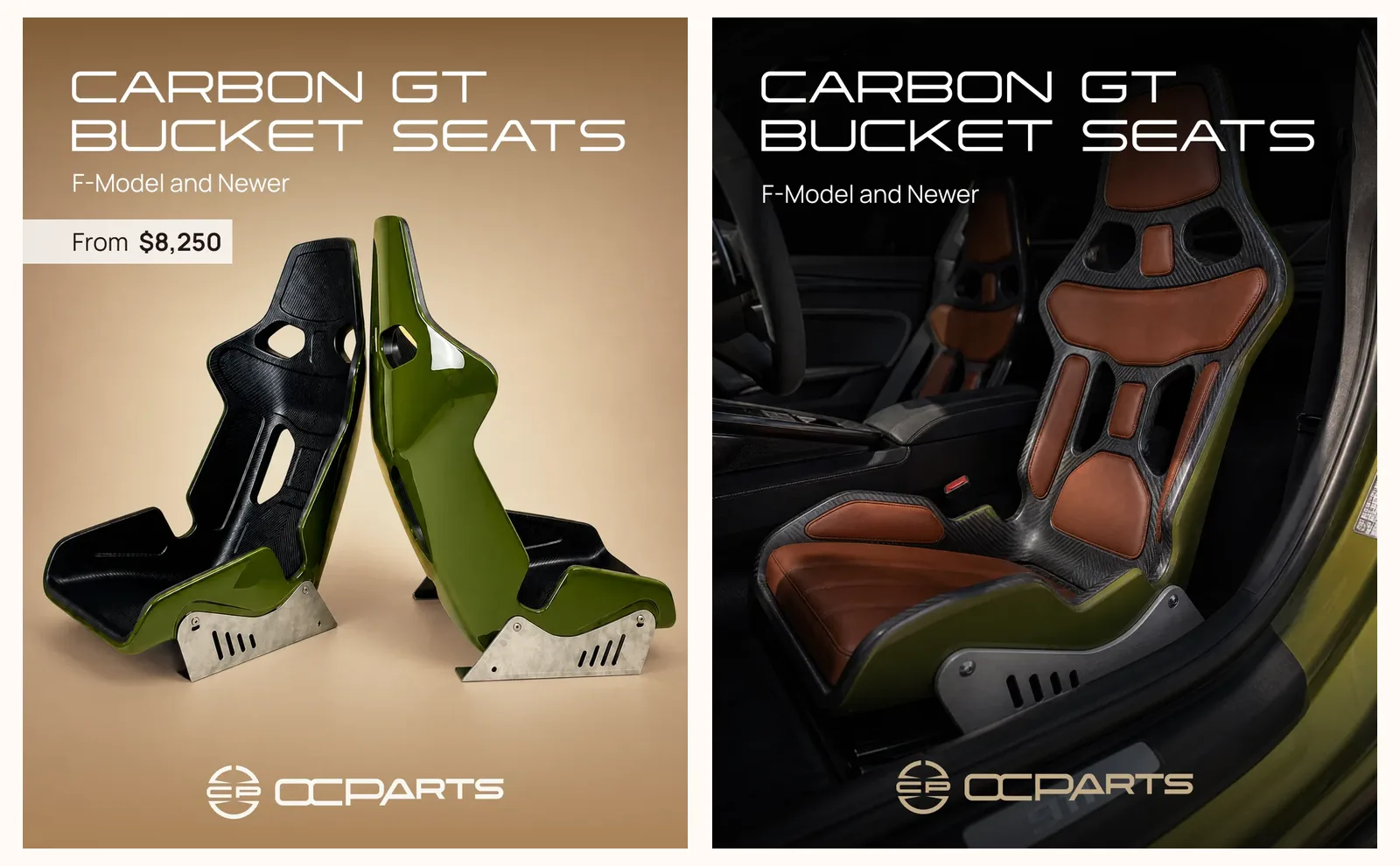
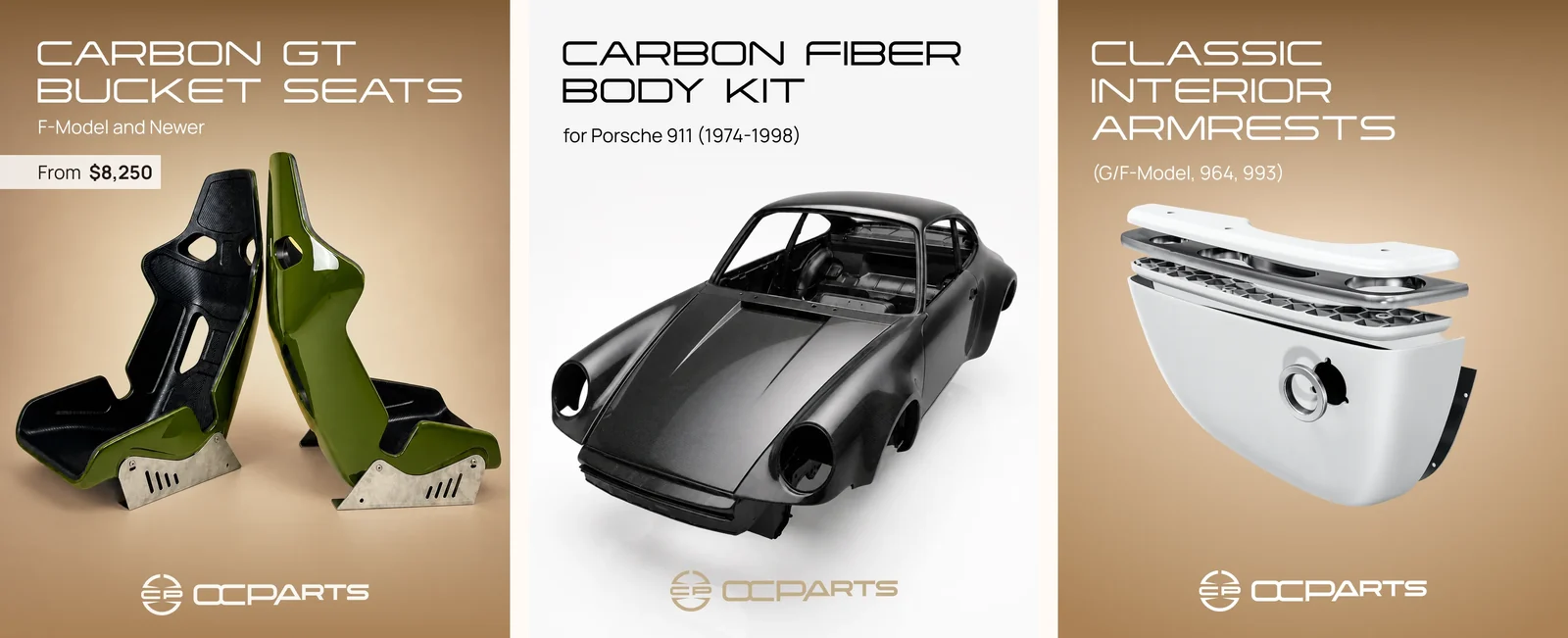
One format built from these visualizations became the strongest performer on Instagram: a single part on a gold background with its name and the logo. It worked from the first iteration of the content plan and became a reliable source of comments, shares and questions about the parts. The top post, carbon GT bucket seats, collected about 12,500 likes, 146 comments and 2,900 reposts.
Lessons for manufacturers considering AI product imagery
- Treat accuracy as the product. In technical niches, a beautiful but wrong image does more damage than no image.
- Invest in references first. Multi-angle photos of the real part matter more than clever prompts.
- Expect a high rejection rate and plan for it. Our 90%+ discard rate is a feature of the process, not a failure.
- Put a domain expert in the loop. The client's engineers were the final and most valuable quality gate.
- Match every scene to real fitment. Know which part goes on which model before you generate.
Before you ask
They work best alongside it. Real product photos stay the core and the references. AI visualizations add in-context scenes a shoot can't cover at a sensible cost, as long as accuracy is controlled and an expert checks the results.
Accurate enough for engineers to sign off on, but only with good references, the right model for each part and strict filtering. Most raw generations are not.
It depends on the part and the scene. We tested Nano Banana Pro, Nano Banana 2, GPT and Recraft, and chose per task rather than standardizing on one.
Related reading
For the full project, read the OCParts case study. For the broader method, see AI product photography for manufacturers.
Show every product on every car
AI visualizations, brand and websites for manufacturers of premium physical products. One senior team, for a fraction of what an in-house team costs.