Key takeaway: Answer engine optimization (AEO) for industrial manufacturers means structuring product pages so AI search engines can extract and cite your specs — if your data isn't in the right schema and format, you won't appear in AI-generated answers.
A spec writer at a German automotive supplier types "polyurethane primer compatible with galvanised steel below 5 degrees C" into Perplexity. Three citations come back. Two of them are competitor product pages. One is a technical forum post from 2019. Your product, which fits the spec exactly, isn't there. You won't know about this query, ever. The buyer will request a sample from one of the cited suppliers next week.
This is what answer engines do now. They take a long-tail technical question, scan the web, and cite the three sources that answered it cleanly. Industrial manufacturers have the highest opportunity in AEO and the lowest current readiness. The query volume is small per question, but the queries are infinite, the buyers are decision-makers, and the supplier pool is thin.
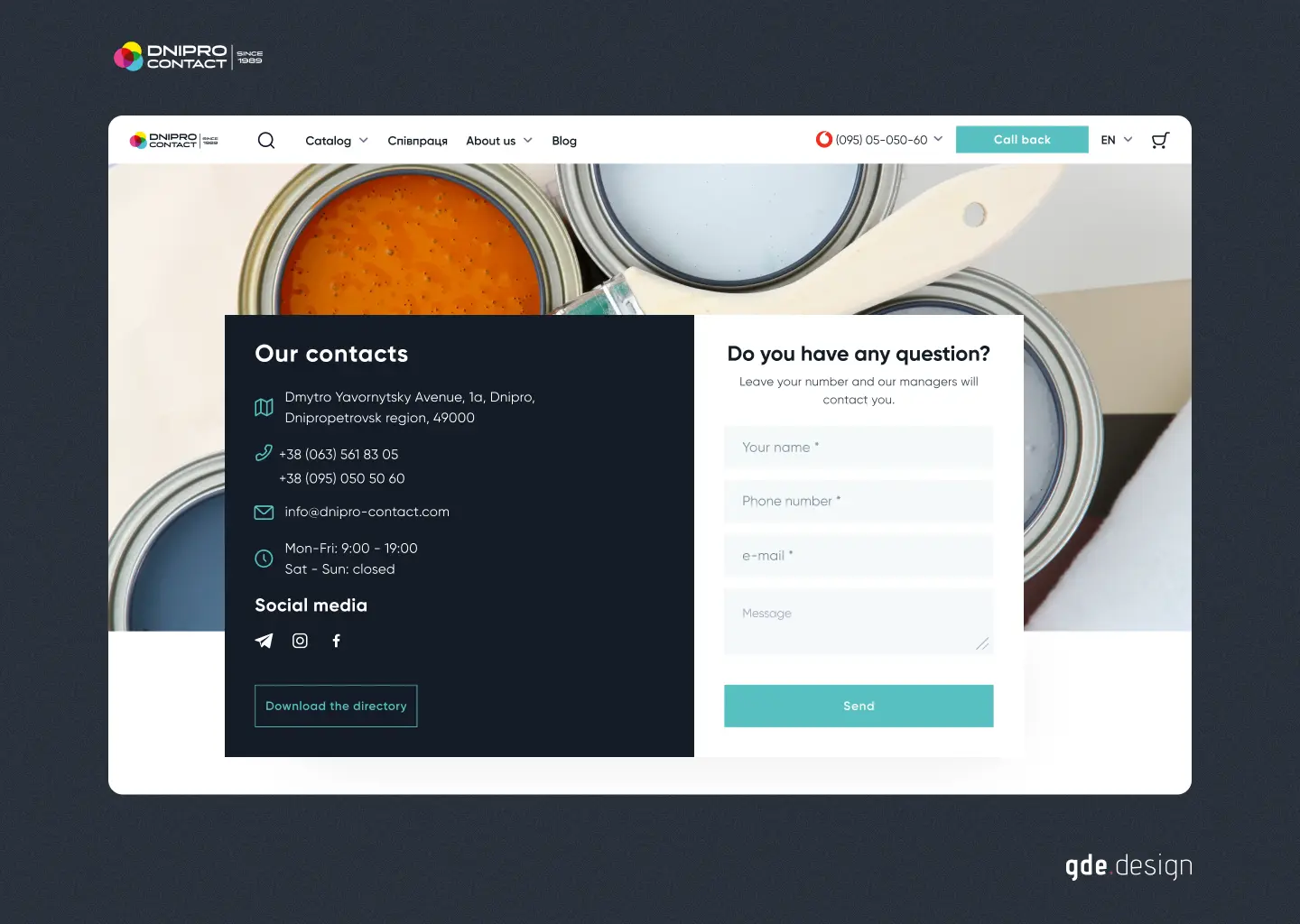
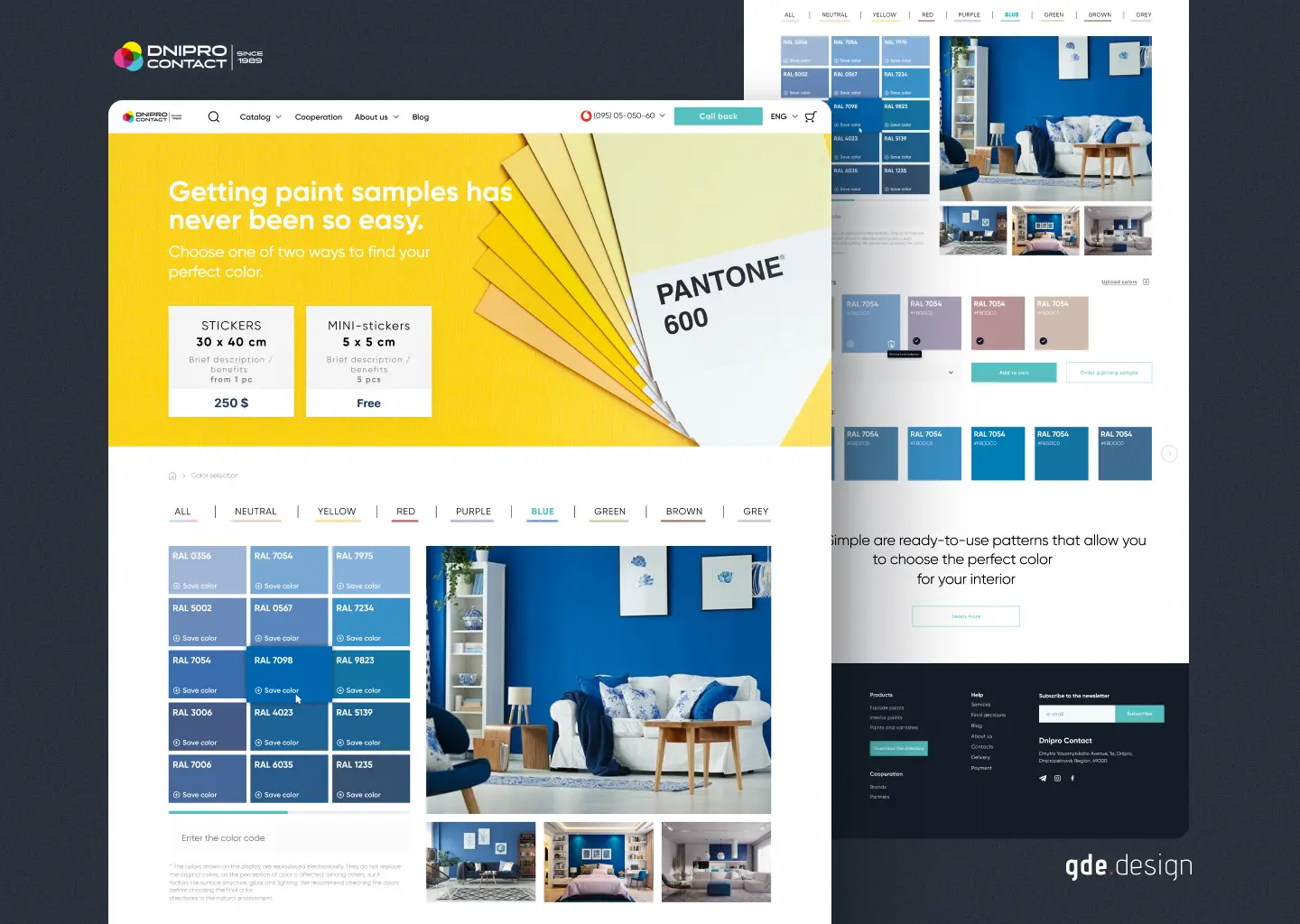
We work this layer daily. The Dnipro Contact rebuild gave us the schema patterns and page formats that move the citation needle. Here's the playbook.
AEO vs GEO vs SEO - the distinction matters
Three acronyms, three different jobs. Mixing them up wastes your dev quarter.
SEO optimises for ranked blue links on traditional search engines. Backlinks, keyword density, page speed, click-through rate. The output is a list. The buyer picks one.
GEO is the strategic layer above. It's the topical authority and content architecture that makes a generative model treat your domain as a citable source on a topic. Think of GEO as positioning. The underlying generative engine optimization mechanics drive which domains the model trusts at all.
AEO is the on-page execution. Page format, schema markup, answer structure. Whether a specific question gets cited from a specific page. AEO is what turns "this domain is authoritative" into "this exact paragraph is the answer." If GEO is positioning, AEO is the closing argument.
You can't ship AEO without GEO underneath - a page with perfect schema on a domain the model doesn't trust still won't get cited. You can't capture GEO value without AEO on top - authoritative domains with badly formatted pages get skipped for the question-specific answer. They run together.
Most manufacturer teams we meet are doing partial SEO and zero of either. The fix is mostly mechanical.
Why industrial manufacturers have the biggest AEO opportunity
Three reasons the AEO arbitrage is wider in industrial than anywhere else.
The query tail is enormous and uncovered. Standard SEO tools see maybe 5% of the technical queries a real procurement engineer types. Tools like Ahrefs and SEMrush index high-volume terms. The "compatible with galvanised steel below 5 degrees C" query has zero search volume in any tool. The model handles it anyway, by generating an answer from whatever it can find. Whoever wrote a clean paragraph addressing that exact spec gets the citation. Most of your competitors haven't written it.
The buyer is technical and high-intent. Industrial buyers don't browse. The Perplexity query is the shortlist. A cited result is treated as a recommendation, not a search hit. Conversion from citation to sample request runs higher than from cold organic traffic in our data.
The supplier pool is thin. Industrial categories have fewer total competitors than consumer ones. The model doesn't need to filter 10,000 sources down to 3 - it needs to find 3 in a pool of maybe 50, half of which have unparseable PDF datasheets. The bar to clear is low. The companies that clear it own the category in AI search for years.
This is why we tell every manufacturer we work with: AEO is the most under-priced channel in your stack right now. The cost is one quarter of focused work. The compounding runs for years.
The 4 page formats that get cited most
After watching citations land across 200+ industrial product pages, four formats dominate.
How-to. "How to apply polyurethane primer to galvanised steel." Step-by-step, numbered. HowTo schema wrapping the steps. AI engines lift these formats almost verbatim because they map cleanly onto the user's question structure.
FAQ. A block of 5-12 question/answer pairs covering the long-tail queries buyers ask. FAQPage schema is mandatory here. Each Q is phrased exactly as a buyer types it. Each A is 2-4 sentences, factual, no marketing fluff. The model treats this as pre-parsed content and cites entire answers verbatim.
Definition. "What is abrasion resistance class AR2?" One sentence definition, then a paragraph of context, then a table or example. These rank for the entry-point queries that start a buyer's research session. Win the definition, win the journey.
Comparison. "Polyurethane vs epoxy primer for industrial steel." Side-by-side table, decision criteria, use cases. This format owns the mid-funnel "shortlist" query - exactly the moment you want to be cited. Most manufacturer sites refuse to publish comparisons because they think it surfaces competitors. The model surfaces competitors anyway. Your choice is whether you're on the comparison or off it.
Mix all four across your catalogue. Product pages get FAQ blocks. Application sections get how-to articles. The technical glossary gets definitions. The category hub gets comparisons. Internal-link them densely. The model reads link structure as topical signals.
Wondering why ChatGPT cites your competitor and not you?
Usually it's the schema and the format, not the product. We audit manufacturer sites against the four cited-content formats and ship the rewrite. 8-12 weeks, end of the year you're in the answers.
The schema markup that actually moves citations
Schema is JSON-LD. Four types do most of the work for industrial manufacturers.
Product plus Offer. Every product page. Mandatory fields: name, image, description, sku, brand, gtin where applicable. Offer should include price (or priceSpecification with priceRange if you don't publish exact prices), priceCurrency, availability, and seller. AI engines use Offer data to answer "what does it cost" queries even when the buyer didn't ask explicitly.
FAQPage. Wrapped around any FAQ block on any page. Each Question/Answer pair gets its own structured object. This is the single highest-leverage schema for AEO. Models pull FAQPage answers verbatim into AI Overviews and Perplexity citations more often than any other format.
HowTo. Wrap step-by-step application guides. Each HowToStep gets a name, text, and ideally an image. This format gets cited heavily for procedural queries.
Organization. Homepage, once. Include real address, real founding year (Dnipro Contact's "since 1989" is a verifiable fact across three external sources, which is why it gets pulled into citations). Include sameAs links to LinkedIn, industry directories, and any trade body memberships. The model triangulates trust signals across these.
Skip schema you don't need. Don't pile on Article, Breadcrumb, and Review schema if the data isn't real. The model penalises mismatch between schema claims and page content faster than it rewards quantity.
What changed in Dnipro Contact's AEO
We rolled FAQPage and Product schema across the Dnipro Contact catalogue in a single sprint after the page rewrites shipped. The before/after on cited content was clean.
Before: 0 detectable AI citations across Perplexity, Google AI Overviews, or ChatGPT browse mode for paint-related queries in either Ukrainian or English.
After (90 days post-launch): consistent citations on product-specific queries (drying time, coverage rate, surface compatibility). Google AI Overviews lifting FAQ answers verbatim with the canonical link back. Perplexity returning Dnipro Contact as one of three cited sources on Ukrainian-language paint comparison queries. ChatGPT browse mode pulling spec tables for product-spec queries.
The cited content was almost always from the FAQ blocks, not the marketing copy. That tracked with what we'd seen on other projects - models prefer the format that's pre-shaped like an answer.
The full project covers branding, packaging, e-commerce, and the GEO content rebuild. The detail is in our digital brand launch for manufacturers write-up if you want the architectural picture.

Where to start - one page at a time
Don't plan a six-month AEO programme. Pick one product page. Ship it correctly. Measure. Then scale.
Pick your top revenue product. Run it through this checklist:
- Is there a 200-300 word plain-language brief above the fold answering surface, coverage, drying time, and price-per-unit?
- Is there a spec table with at least 8 fields filled?
- Is there an FAQ block with 6-10 question/answer pairs phrased exactly as buyers search?
- Is Product + Offer schema valid in Google's Rich Results Test?
- Is FAQPage schema valid?
- Are there at least 3 internal links to related products and 2 to relevant guides?
- Does the page load under 2.5 seconds on 3G?
Ship the fixes. Wait 30 days. Check Perplexity and Google AI Overviews on 5-10 long-tail queries the page should answer. If you see citations, the format works for your category. Repeat across the next 9 products. If you don't see citations, your domain trust is the bottleneck, not the page - that's a GEO problem, not an AEO one. We unpack the diagnostic in our manufacturer presence audit framework.
FAQ
Is AEO different from regular SEO? Yes. SEO ranks pages in a list. AEO gets specific answers cited inside AI-generated responses. The technical layer overlaps (page speed, internal links) but the priorities differ - AEO weights schema, FAQ blocks, and answer structure far higher than backlinks.
Do I need an in-house dev team to add schema? No. JSON-LD schema can be added via tag manager, CMS plugin, or directly in templates. A senior front-end dev can ship Product + FAQPage schema across a 50-page catalogue in 5-7 days.
Which AI engine matters most for industrial buyers? Perplexity and Google AI Overviews drive the most observed B2B research traffic in 2026. ChatGPT's web-enabled mode is rising fast. Optimise for all three at once - the schema and format that work for one work for all.
How do I measure AEO success? Track AI citation appearances manually on your top 50 long-tail queries monthly. Tools are starting to emerge (AthenaHQ, Profound, Otterly) but manual checks are still the most reliable. Pair with referrer traffic from chatgpt.com, perplexity.ai, and gemini.google.com in GA4.
Will AEO replace SEO? No. Both run in parallel for the next 3-5 years minimum. Buyers still click blue links for high-intent queries. The mix shifts toward AI-cited results steadily. Build for both.
What if my product specs are confidential? Publish what you can. Coverage, surface compatibility, certifications, and use cases are rarely confidential. Specific formulation chemistry is. The buyer doesn't need the formula to shortlist you - they need enough to know your product fits the brief.
Related reading
For the strategic frame above the schema work, see GEO for manufacturers. For the page-level template we use on every product brief, AI-ready product pages is the next read. If you want a one-shot diagnostic on where your site stands today, the manufacturer presence audit covers the AEO checklist in operational detail.
Ready to be the cited source?
Book a 30-minute call. We'll audit your top 10 product pages against the four cited-content formats and the four required schemas. You'll leave with a punch list ranked by ROI.