Key takeaway: SaaS design costs $6,000–$150,000+ in 2026, driven by user role count, workflow complexity, research depth, and design system scope — the real risk is underspending on design that fails to convert.
Agencies don't publish prices because it scares people away. That's the honest answer.
A "Contact Us for Pricing" page isn't about customized quotes. It's a funnel filter. Get the prospect on a call, build rapport, anchor them emotionally to the work before the number lands. It's a sales tactic dressed as flexibility.
We think it's worth being different. So here's what SaaS design actually costs — what drives the price up, what should concern you about a quote that's too low, and how to read a proposal so you know what you're actually buying.
The Real Price Ranges in 2026
These are real market numbers, not estimates. They're based on publicly available data from agencies and research across the industry.
Early-stage MVP design: $6,000 – $35,000. This covers core user flows, basic UX research, wireframes, and polished UI for a limited feature set. You're paying for the fundamental skeleton of a product — enough to test with users or show to investors. Not enough for a production-ready, scalable design system.
Growth-stage product or major feature expansion: $35,000 – $80,000. Multiple user roles. Deeper research. Improved onboarding flows. Dashboard design. A design system that actually scales. This is where most funded startups land when they're doing their first serious design investment.
Enterprise SaaS or large-scale redesign: $80,000 – $150,000+. Complex multi-role workflows. Advanced research. Full design system. Usability testing. Cross-team collaboration with your engineering and product teams. If you have 10+ distinct user personas and a product that's been growing organically for years, you're probably in this bracket.
Retainer models start around $3,800/month for part-time designer capacity and $6,000–$10,000/month for full-time dedicated work. Eastern European agencies (including us) deliver comparable quality to US and Western European firms at significantly lower cost — you're paying for geography more than talent.
What Drives the Price Up
The scope of a design engagement is mostly driven by four things. Understanding them helps you figure out where you actually sit on the price spectrum before you talk to anyone.
Number of user roles. A tool with one user type is simpler than a platform with admins, operators, end-users, and external viewers who each see different things. Each additional role multiplies the number of screens and flows that need designing.
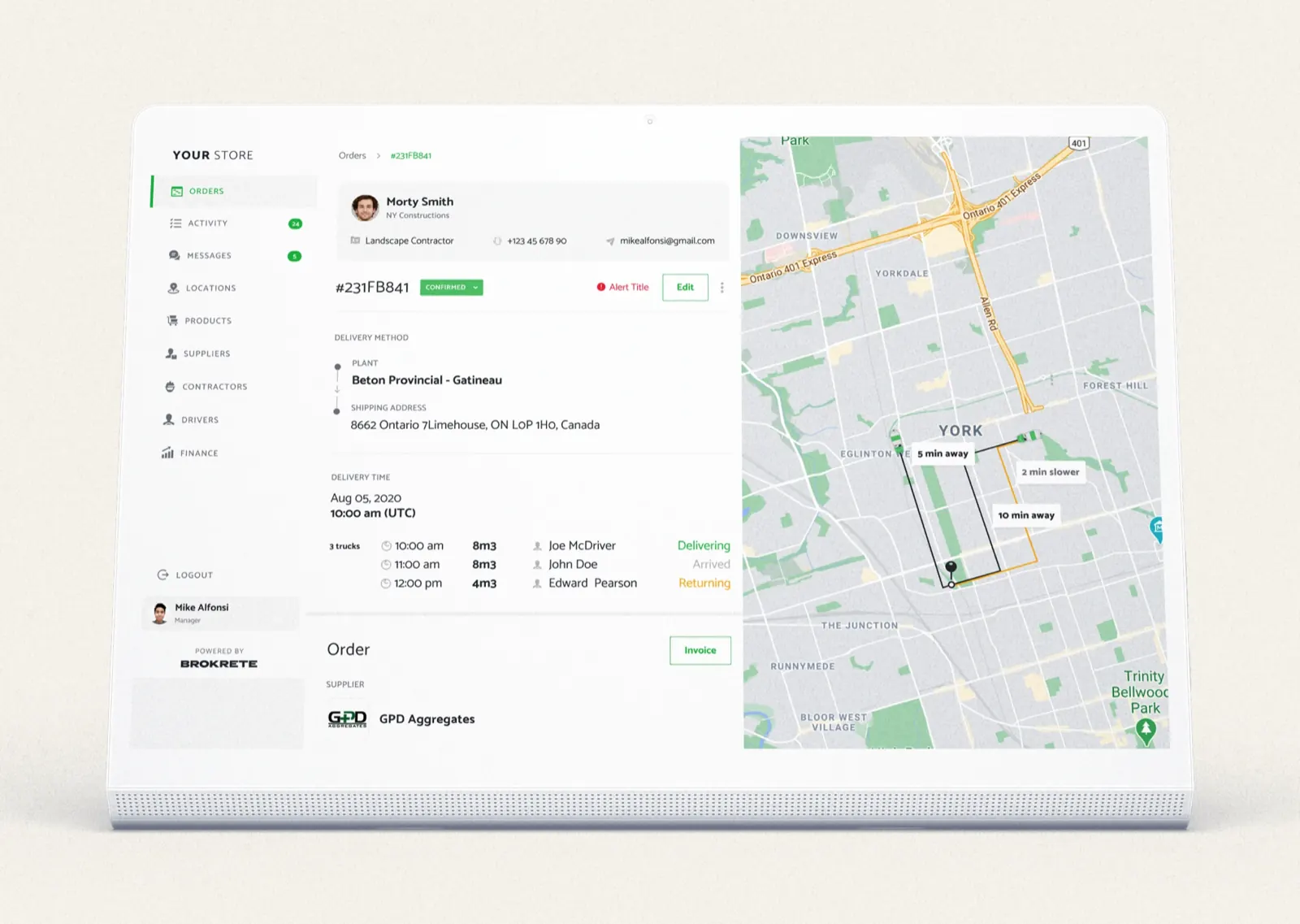
Complexity of the workflows. A project management tool where you create and track tasks is simpler than a construction logistics platform where you're dispatching crews, managing equipment, generating invoices, and processing payments — all in the same product. Complexity isn't bad. It means more design time.
Whether research is included. A quote that skips discovery and research is cheaper upfront and expensive later. Research means interviewing users, mapping their actual workflows, finding the friction that won't be obvious until someone real uses the product. Discovery costs $5,000–$15,000 separately and saves far more in redesign costs.
Design system depth. A set of screens for a specific project and a design system that scales with your team as you add features are very different deliverables. Design systems take longer to build, but they make every subsequent sprint faster.
What Should Concern You About a Quote That's Too Low
A $3,000 MVP design from a freelancer might be exactly right for a paper prototype. But a $3,000 quote for a production-ready SaaS product is almost always a sign that the person quoting doesn't fully understand what they're quoting — or they're going to cut corners.
Specific red flags:
The quote doesn't break down deliverables. "Design of app" isn't a scope. How many screens? What user roles? Is a design system included? What research phase? If the agency can't itemize what you're getting, scope creep is coming.
There's no discovery phase. They're willing to start design without understanding your users, your market, or your existing product. This produces designs that are aesthetically fine but strategically empty.
Junior designers are doing the work. Some agencies pitch with senior talent and deliver with juniors. Ask directly: who will be doing day-to-day design work? What's their experience with products like yours?
The timeline is impossibly short. Real SaaS product design takes 6–12 weeks for a serious engagement. An agency promising a full product redesign in 2 weeks is heavily templating your work or planning to ship something incomplete and revise later — at additional cost.
Want to know what your project actually needs?
Tell us what you're building. We'll scope it honestly and tell you what it'll take — before you commit to anything.
How to Compare Proposals
When you're looking at two or three proposals, you're rarely comparing the same thing. Here's how to normalize them.
Count the deliverables. A proposal listing "full product design" and a proposal listing "18 screens across 3 user flows including mobile breakpoints, a component library, and a design handoff file with documented specs" are not the same proposal. One of them thought it through. The other is hoping scope stays vague.
Check what's not in scope. Revisions often aren't unlimited. Research sometimes isn't included. Handoff to developers may cost extra. A $40,000 proposal with one revision cycle and no developer handoff might cost more in practice than a $55,000 proposal with three revision rounds and full handoff documentation.
Look at the payment structure. A reputable agency doesn't ask for 100% upfront. Standard is 30–50% to start, remainder on delivery. Agencies asking for full payment before work begins are managing either trust problems or cash flow problems of their own.
What We Charge and Why
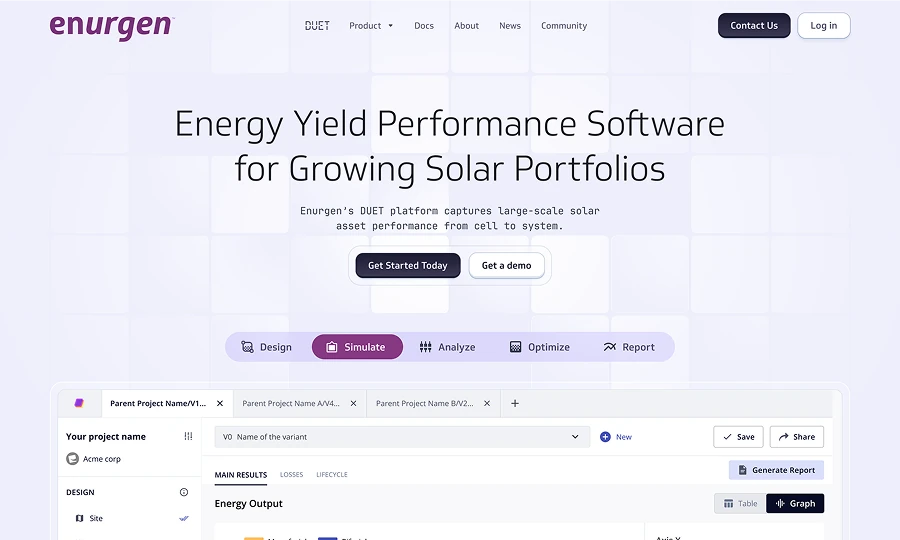
We're a senior-only team based in Ukraine. No juniors, no account managers who've never designed a screen. Every project is handled by designers who've shipped products in fintech, AI, clean energy, cybersecurity, and logistics.
Our engagements typically run $15,000–$80,000 depending on scope — lower than comparable US or Western European studios, without the quality compromise that usually explains the price difference. The savings come from geography, not from cutting corners on research, process, or deliverables.
We also offer a full-cycle model — strategy, design, development, and launch under one roof — which removes the friction and cost of handing off between three separate vendors. One team, one scope, one point of accountability.

The Question Worth Asking Before You Budget
Before you start talking to agencies, answer this: what is a 20% improvement in your trial-to-paid conversion worth over 12 months?
If the answer is $200,000, a $60,000 design engagement is an easy decision. If the answer is $20,000, you probably need a smaller scope and a more surgical approach.
Good design is an investment with a measurable return. The mistake is treating it as a cost — something to minimize. The founders who get this right spend more than average on design and make back multiples. The ones who get it wrong spend as little as possible, ship something mediocre, and wonder why conversion is flat.
The price for a SaaS design partner isn't just what you pay. It's what you don't make because the design didn't convert. That's the number worth optimizing for.
Your product deserves a team that's done this before.
Senior designers, honest scopes, real results. Let's talk about what your project actually needs.